Surface plategranite is a solid, flat plate used as the main horizontal reference plane for precision inspection, marking out (layout), and tooling setup.
Cast iron surface plates are precision, rigid, and thermally stable tools used as reference planes for layout, inspection, and measurement in manufacturing. They feature robust, ribbed designs, often hand-scraped for high accuracy (JIS/IS standards), and are available in various types including box, T-slotted, and benchtop models.
Granite Surface Plate Indonesia, Granite Surface Plate Jakarta, Granite Surface Batam
Cast Iron Surface Plate Indonesia, Cast Iron Surface Plate Jakarta, Cast Iron Surface Plate Batam
Molding is a manufacturing process for producing parts by injecting material into a mold. Injection molding can be performed with a host of materials mainly including metals, (for which the process is called die-casting), glasses, Elastoplast, confections, and most commonly thermoplastic and somersetting polymers. Material for the part is fed into a heated barrel, mixed, and forced into a mold cavity, where it cools and hardens to the configuration of the cavity.
A Band saw is a saw with a long, sharp blade consisting of a continuous band of toothed metal stretched between two or more wheels to cut material. They are used principally in woodworking, metalworking and lumbering, but may cut a variety of materials.
Advantages include uniform cutting action as a result of an evenly distributed tooth load, and the ability to cut irregular or curved shapes like a jigsaw. The minimum radius of a curve is determined by the width of the band. Most band saws have two wheels rotating in the same plane, one of which is powered, although some may have three or four to distribute the load.
The blade itself can come in a variety of sizes and tooth pitches (teeth per inch, or TPI), which enables the machine to be highly versatile and able to cut a wide variety of materials including wood, metal and plastic.
A machine that is used for cutting wood, metal, plastic and a variety of materials into straight, curved or irregular shapes is called a horizontal band saw. A wide range of band saw equipment are available in the market. They are made from cast iron, steel or aluminum alloy.
The sraight shank is the most usual style on modern drill bits, by number manufactured. The whole of the drill bit, shaft and shank, is usually of the same diameter. It is held usually in a three-jaw drill chuck. Bits of diameter too small to grip firmly can have straight shanks of larger diameter than the drill, which can be held firmly in a standard size collet or chuck. Large drill bits can have straight shanks narrower than the drill diameter so that they can be fitted in chucks not able to chuck the full diameter. Such a drill bit is called a reduced-shank or blacksmith’s drill. For example, this allows a 1/2″ bit to be used in a pistol-grip drill’s 3/8″ chuck. One particular type of reduced-shank drill bits are Silver & Deming(S&D) bits, whose sets run from 9/16″ to 1-1/2″ drill body diameter with a standard 1/2″ reduced shank for all. This allows drill presses with 1/2″ chucks to run the larger drills. S&D bits are 6″ long with a 3″ flute length.
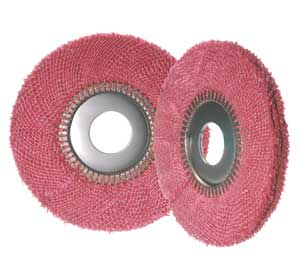
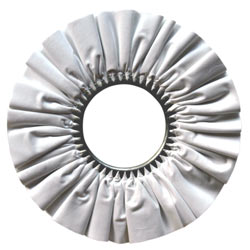
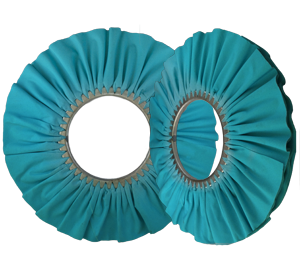
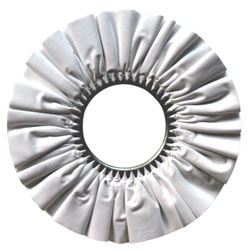
This rugged construction is particularly suited, for removing orange peel, polishing grit lines, light die marks, and other surface imperfections. Its spiral sewn buff pad offers a firm to stiff buff that is aggressive with little to no flexibility making it suitable to remove deeper imperfections on flat or slightly contoured surfaces. The sisal is bias-cut on a 45° angle before its assembly on our engineered hub, which provides adequate forced ventilation.
Available in diameters sizes 10″ through 20″ and metal center diameters of 5″, 7″ and 9″ and any arbor size required. Also in untreated sisal for conventional use or treated for extra severe use.